
Target Acquisition: How to Choose the Perfect Crossbow
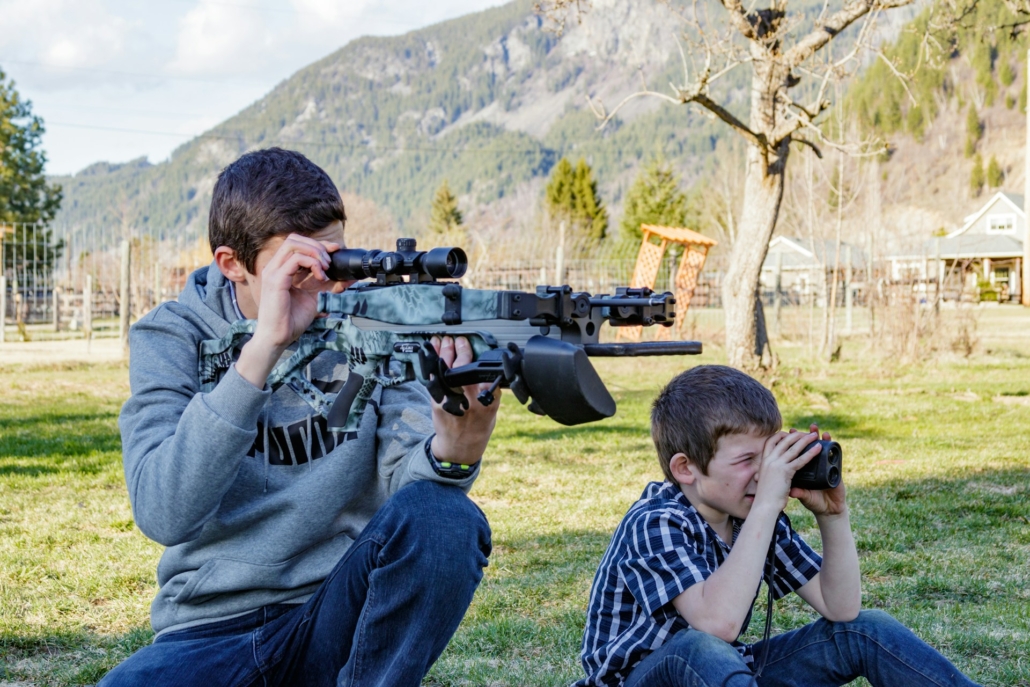
Archery has evolved significantly from the days of simple wooden bows. Today, modern engineering has transformed the landscape of archery equipment, offering tools that are precise, powerful, and accessible to people of all skill levels.
For the modern outdoorsman or competitive shooter, the crossbow represents a perfect bridge between the mechanics of a rifle and the primitive challenge of a bow.
However, walking into a sporting goods store or browsing online retailers can quickly become overwhelming. The market is saturated with options ranging from lightweight recreational models to high-velocity machines capable of taking down large game at impressive distances.
Understanding the terminology and the technology is the first step toward making a purchase you will be happy with for years to come. Selecting the right equipment requires an honest assessment of your physical capabilities, your budget, and your intended use.
Are you trekking miles into the backcountry, or are you shooting targets in the backyard? By breaking down the essential components and features of today’s best crossbows, you can confidently select a model that hits the mark every time.
1. Decoding the Mechanics: Recurve vs. Compound vs. Reverse Draw
The engine of any crossbow is its limb system. This dictates not only how the bow shoots but also how it handles, how much it weighs, and how much maintenance it requires.
Recurve Crossbows
The recurve is the most traditional design. It features long limbs that curve away from the shooter at the ends.
- Simplicity: With fewer moving parts (no cams or cables), there is less that can go wrong in the field.
- Maintenance: Changing a string on a recurve is often something you can do yourself without a bow press.
- Profile: These tend to be wider axle-to-axle, which can be cumbersome in a tight tree stand or ground blind.
Compound Crossbows
Compound crossbows utilize a system of cams and cables to store energy. This mechanical advantage allows for a huge reduction in draw weight while generating high speeds.
- Compact Design: When cocked, these bows are incredibly narrow, making them excellent hunting gear for maneuvering in thick brush.
- Velocity: They generally offer higher speeds than recurve models with similar draw weights.
- Complexity: They require more maintenance and usually need a professional shop to change strings or cables.
Reverse Draw Technology
A relatively newer innovation, reverse draw bows feature limbs that face the opposite direction of a standard compound bow.
- Balance: By shifting the riser closer to the trigger, the center of gravity moves backward. This makes the bow feel lighter and easier to steady off-hand.
- Efficiency: The design allows for a longer power stroke, generating massive energy with less draw weight.
2. Analyzing Performance Metrics
Manufacturers love to advertise big numbers, but raw statistics don’t always translate to a better experience. You need to understand how speed, energy, and noise interact.
The Speed Trap (FPS)
Speed is measured in feet per second (FPS). While a fast arrow flies flatter and leaves less time for an animal to react (known as “jumping the string”), speed comes at a cost. Faster bows often vibrate more, are louder, and can be harder on your serving strings. For most North American games, anything above 300 FPS is more than adequate.
Kinetic Energy
This is the “knockdown power” of your bolt. It is determined by the weight of the arrow combined with its speed. If you are hunting large game like elk or bear, kinetic energy is a more critical metric than pure speed. A heavier arrow moving slightly slower often penetrates better than a light arrow moving fast.
Noise and Vibration
Crossbows are inherently loud due to the massive release of energy. However, some are quieter than others. Look for bows that come with integrated dampeners or string suppressors. A quieter shot is crucial when hunting alert game.
3. Ergonomics and User Experience
You might find a bow with perfect specs on paper, but if it doesn’t fit your body, you won’t shoot it accurately.
Weight and Balance
If you hunt from a blind with a shooting rail, a heavy bow might not bother you. But if you are spot-and-stalk hunting, lugging a 10-pound bow will become exhausting quickly. Pay attention to the physical weight, but also the balance. A well-balanced heavy bow can feel lighter than a nose-heavy light bow.
Cocking Effort
You must be able to cock your crossbow consistently.
- Rope Cockers: These reduce the felt draw weight by 50% and ensure the string is pulled back evenly.
- Crank Cockers: Integrated or detachable cranks reduce the effort required to just a few pounds. This is ideal for shooters with shoulder issues, youth shooters, or those using high-poundage bows.
Trigger Quality
A heavy, creeping trigger can ruin your accuracy. You want a trigger that breaks cleanly and crisply with no “creep” (movement before the shot). Many high-end manufacturers now offer match-grade triggers similar to those found on precision rifles.
4. Essential Safety Features
Safety should never be compromised. Given the immense power stored in a cocked crossbow, modern safety mechanisms are non-negotiable.
Anti-Dry Fire (ADF)
This is the most critical safety feature. A “dry fire” occurs when the bow is fired without an arrow loaded. This can shatter the limbs and cause serious injury. An ADF mechanism mechanically prevents the safety from being disengaged or the trigger from being pulled unless a bolt is properly seated.
Auto-Safety Engagement
Look for a crossbow that automatically clicks into “safe” the moment it is fully cocked. This passive safety measure ensures that the bow is never ready to fire until you consciously decide to flip the switch.
Finger Guards
Because the string moves at incredible speeds, keeping your fingers below the flight rail is essential to avoid amputation or severe injury. Large, flared foregrips or wings that force your hand into a safe position are a must-have design feature.
5. Optics and Accessories
The bow is just the platform; the accessories complete the package. Most crossbows are sold as packages, but the quality of the add-ons varies.
Scopes and Sights
Unlike vertical bows, crossbows use optics similar to rifles.
- Multi-Reticle Scopes: These have horizontal lines calibrated for different distances (e.g., 20, 30, 40 yards).
- Illuminated Scopes: Essential for low-light conditions often encountered at dawn or dusk.
- Speed-Calibrated Scopes: These allow you to dial in the specific FPS of your bow, automatically aligning the reticle points to the correct yardage.
Bolts (Arrows)
Not all bolts are created equal. You must use the length, weight, and nock type specified by the manufacturer. Using a bolt that is too light can mimic a dry fire and damage your equipment. Carbon bolts are the standard for their durability and straightness.
Broadheads
For hunters, the broadhead is the business end of the setup.
- Fixed Blades: Reliable and tough, but can plane (fly off course) at high speeds if not tuned properly.
- Mechanical Blades: These fly like field points and open on impact, offering great accuracy for high-speed bows.
6. Budgeting for Your Setup
Crossbows range from $300 to over $3,000. Defining your budget early will help narrow the field.
Entry-Level ($300 – $600)
You can find very capable hunting tools in this range. They may be slightly wider, louder, or made with more plastic components, but they will effectively harvest game. Brands like CenterPoint or lower-tier Barnett models fit here.
Mid-Range ($600 – $1,200)
This is the “sweet spot” for many. Here, you find better warranties, machined aluminum components, higher speeds, and better scopes. TenPoint’s Wicked Ridge line or Excalibur’s entry models are strong contenders.
High-End ($1,200+)
At this level, you are paying for compact technology, speed, and premium materials. These bows from brands like Ravin or flagship TenPoint models are incredibly narrow, feature silent crank cockers, and come with high-quality optics.
Ready to Take Aim?
Choosing the right crossbow is about finding the balance between power, portability, and price. Whether you are entering the woods for the first time or upgrading your current setup, prioritizing safety and fit will always yield better results than chasing the highest speed rating.
Visit a local archery shop where you can handle different models. Shoulder them, test the trigger, and feel the balance. The “best” crossbow is ultimately the one that feels like a natural extension of you, giving you the confidence to make the shot when it counts.

