
Streamlining Warehouse Efficiency Through Smart Automation
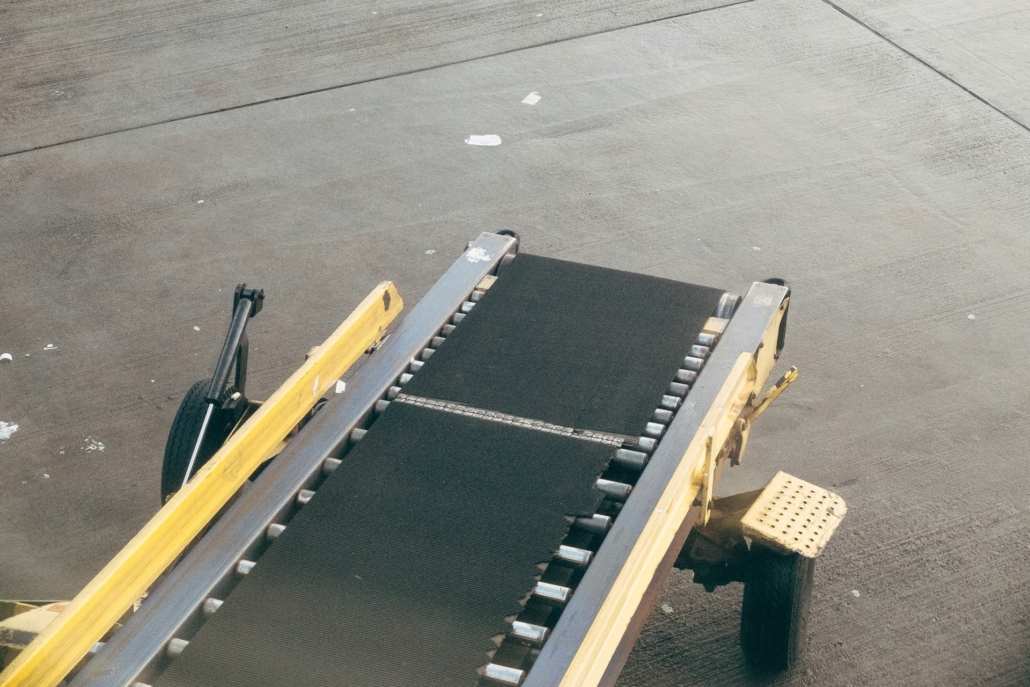
Massachusetts warehouses and distribution centers are under constant pressure to move more product with fewer resources. Rising labor costs, tighter delivery windows, and growing customer expectations have pushed facility managers to rethink how goods move through their operations.
The solution many are turning to lies in modernizing the equipment and technology responsible for transporting, sorting, and storing inventory.
This shift toward automation isn’t about replacing people. It’s about giving teams the tools they need to work smarter, reduce repetitive strain injuries, and eliminate the bottlenecks that slow down fulfillment.
From small manufacturing shops to large-scale distribution hubs, businesses across the region are discovering that the right combination of equipment and strategy can transform their entire operation. This article explores how facilities can build a more efficient, scalable operation by investing in the right equipment, technology, and long-term planning.
Why Are Material Handling Systems Essential for Modern Warehouses?
Material handling systems form the backbone of any warehouse or distribution center. They determine how quickly products move from receiving to storage to shipping, and they directly impact labor costs, order accuracy, and overall throughput.
A well-designed system typically includes:
- Conveyor systems for moving products between stations without manual lifting
- Automated storage and retrieval systems (AS/RS) that maximize vertical space
- Sortation equipment that routes packages to the correct destination
- Robotics and automated guided vehicles (AGVs) for repetitive transport tasks
When these components work together seamlessly, facilities see fewer errors, faster processing times, and a safer work environment. Poorly integrated systems, on the other hand, create traffic jams on the floor, increase the risk of injury, and make it nearly impossible to scale operations during peak seasons.
What Does Boston Automation Look Like in Practice?
Boston automation has evolved significantly over the past decade, driven largely by the region’s dense manufacturing base and its proximity to major shipping corridors along the East Coast. Facilities here face unique constraints: limited floor space, older building infrastructure, and a competitive labor market that makes efficient staffing a priority.
Local businesses have responded by adopting automation solutions tailored to these realities. Rather than pursuing sweeping overhauls, many facilities take a phased approach:
- Assess current workflows to identify the biggest pain points
- Prioritize high-impact upgrades, such as automating a single bottleneck station
- Scale gradually, adding new equipment as budget and space allow
This measured approach allows businesses to see returns on investment quickly while minimizing disruption to daily operations. It also gives teams time to adjust to new processes, which improves adoption rates and reduces resistance to change.
How Does Conveyor Integration Improve Workflow Efficiency?
Conveyor integration is often the first step facilities take when modernizing their material handling processes. Unlike standalone equipment, an integrated conveyor system connects multiple points of the operation, from receiving docks to packing stations to outbound shipping.
The benefits of proper integration include:
- Reduced manual handling, which lowers the risk of workplace injuries
- Consistent product flow, minimizing downtime caused by uneven staffing
- Better data visibility, since many modern conveyor systems include sensors that track throughput in real time
- Flexibility for future expansion, as modular conveyor sections can be added or reconfigured as needs change
Facilities that treat conveyor integration as an afterthought often end up with a patchwork of equipment that doesn’t communicate well. Planning integration from the outset, with input from experienced automation partners, helps avoid costly rework down the line.
What Should Businesses Consider Before Investing in Automation?
Before committing to new equipment, facility managers should evaluate several factors to ensure the investment delivers long-term value.
Space and Layout Constraints
Older buildings, especially those common in the greater Boston area, often have irregular layouts, low ceilings, or limited floor space. Any automation plan needs to account for these physical limitations from the start.
Current and Projected Volume
Equipment that works well for today’s order volume may not hold up as the business grows. It’s worth planning for volume increases of 20-30% over the next few years to avoid outgrowing a system too quickly.
Budget and ROI Timeline
Automation is a significant investment, so it helps to have a clear picture of expected payback periods. Many facilities find that targeted upgrades, like automating a single high-traffic area, deliver faster returns than a complete system overhaul.
Workforce Impact
Introducing new technology changes how employees do their jobs. Training programs and clear communication about the purpose of automation (improving safety and efficiency, not eliminating jobs) go a long way toward smooth implementation.
How Can Businesses Choose the Right Automation Partner?
Selecting a partner to design and install a material handling system is one of the most important decisions in the automation process. Not all providers offer the same level of expertise, and the wrong choice can lead to delays, budget overruns, or systems that don’t meet actual operational needs.
Key qualities to look for include:
- Experience with similar facility types, whether that’s food distribution, manufacturing, or e-commerce fulfillment
- A consultative approach, where the provider takes time to understand specific workflow challenges before recommending solutions
- Local support availability, which matters for maintenance, troubleshooting, and future adjustments
- A track record of successful integrations, not just equipment sales
Companies like Boston Conveyor & Automation specialize in designing scalable solutions tailored to the specific needs of regional businesses, helping facilities avoid the common pitfalls of one-size-fits-all automation packages.
What Are the Long-Term Benefits of Investing in Smart Warehouse Solutions?
The value of automation extends well beyond initial efficiency gains. Facilities that invest thoughtfully in material handling technology often see compounding benefits over time.
Some of the most significant long-term advantages include:
- Improved order accuracy, which reduces returns and strengthens customer trust
- Lower long-term labor costs, as automated systems handle repetitive tasks that once required multiple employees
- Greater scalability, allowing businesses to handle seasonal spikes without a proportional increase in staffing
- Better data collection, giving management the insights needed to make informed decisions about future investments
- Enhanced workplace safety, since automated equipment reduces the physical strain associated with manual material handling
These benefits build on each other. A facility that starts with a single automated workflow often finds that the data and efficiency gains justify further investment, creating a cycle of continuous improvement.
Building a Smarter, More Resilient Operation
Modernizing material handling processes isn’t a one-time project. It’s an ongoing effort to keep pace with changing demand, evolving technology, and a competitive labor market. Facilities that approach automation strategically, starting with clear priorities and scaling thoughtfully, position themselves to handle whatever challenges come next.
For businesses ready to take the next step, working with an experienced local partner can make the difference between a system that merely functions and one that genuinely transforms daily operations. The right combination of conveyor integration, smart equipment, and thoughtful planning can turn a warehouse’s biggest bottlenecks into its greatest competitive advantage.
