
Proven Strategies for Juggling Multiple Design Projects
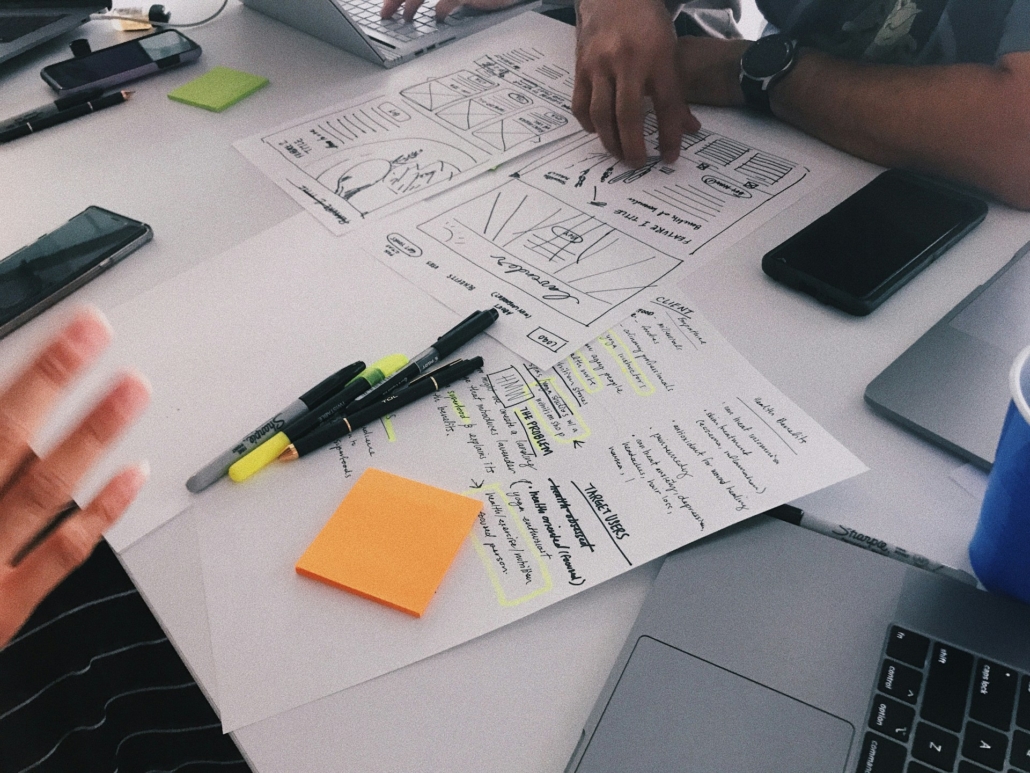
Juggling several design assignments at once can easily feel overwhelming. Deadlines overlap, client feedback piles up, and keeping track of different brand guidelines demands intense focus. Without a solid system in place, designers risk burnout and compromised work quality.
Effective project management is the backbone of a successful design career. It provides the structure needed to navigate tight deadlines while leaving room for genuine innovation. When you organize your tasks thoughtfully, you free up mental space to focus on what actually matters: creating exceptional visuals.
This guide outlines actionable productivity tips to help you streamline your creative workflow. By implementing these strategies, you can transition from chaotic multitasking to a balanced, organized approach that elevates your final deliverables.
1. Establish a Centralized Workspace
Choosing the Right Tools
Relying on scattered emails and sticky notes is a recipe for missed deadlines. A unified digital workspace keeps everything in one accessible location.
- Select a platform that visualizes tasks clearly.
- Integrate your communication tools to minimize context switching.
- Keep all briefs and brand assets linked directly to the relevant task card.
Solid project management software allows you to see the big picture. You can track progress across all active accounts simultaneously.
2. Prioritize Tasks by Impact and Deadline
The Eisenhower Matrix for Designers
Not every task holds the same weight. You need a reliable method to determine what requires immediate attention and what can wait.
- Urgent and important: Finalizing a logo for a launch happening tomorrow.
- Important but not urgent: Updating your internal template library.
- Urgent but not important: Responding to a routine administrative email.
- Neither: Scrolling through inspiration galleries without a specific goal.
Applying these productivity tips ensures you dedicate your peak energy to high-impact design work.
3. Standardize Your Asset Organization
Creating a Naming Convention
Searching for poorly named files wastes valuable time. An organized file structure is crucial for a smooth creative workflow.
- Use a consistent folder hierarchy for every client.
- Implement standard naming conventions across all deliverables.
- Archive old versions in a separate folder to prevent confusion.
When assets are easy to find, you maintain momentum and reduce frustration during the revision process.
4. Set Realistic Milestones and Deadlines
Padding Your Timeline
Design is an iterative process. Assuming everything will go perfectly on the first try often leads to scheduling disasters.
- Break large deliverables into smaller, manageable phases.
- Allocate specific buffer days for unexpected revisions.
- Review your historical data to estimate task durations accurately.
Effective project management involves planning for the unexpected. Buffer time protects your schedule when a client requests significant changes late in the game.
5. Protect Your Deep Work Time
Time Blocking Techniques
Constant interruptions derail the creative process. You need uninterrupted blocks of time to produce your best work.
- Schedule two-hour blocks dedicated solely to design.
- Mute notifications and close email tabs during these sessions.
- Communicate your availability hours to your team.
These straightforward productivity tips allow you to enter a state of flow. Deep work is where true innovation happens.
6. Communicate Proactively with Stakeholders
Setting Clear Expectations
Unclear feedback and scope creep are common productivity killers. Clear communication prevents minor misunderstandings from turning into major roadblocks.
- Establish a weekly update schedule for all active clients.
- Require feedback to be submitted through a centralized form or document.
- Clearly define the number of revision rounds included in the initial scope.
A transparent creative workflow builds trust with clients and prevents you from doing unpaid, out-of-scope work.
Reclaiming Your Design Process
Managing multiple assignments does not have to mean sacrificing your well-being or the quality of your output. By adopting a structured approach, you can handle a high volume of work with confidence and precision. The key is to build systems that support your creativity rather than hinder it.
Even the most disciplined designer needs to step away from the screen once in a while to recharge creative energy. A day spent outdoors, away from deadlines and notifications, can do wonders for a tired mind; something as simple as a visit to https://www.kustermans.ca/ offers a refreshing change of scenery before diving back into the next project with a clearer head.
Start by auditing your current processes this week. Choose one area, such as file organization or time blocking, and implement a new strategy. Small, consistent improvements to your daily routine will compound over time, leading to a more efficient and rewarding design career.

