
Small Space, Big Dreams: Creating Your Perfect Creative Haven
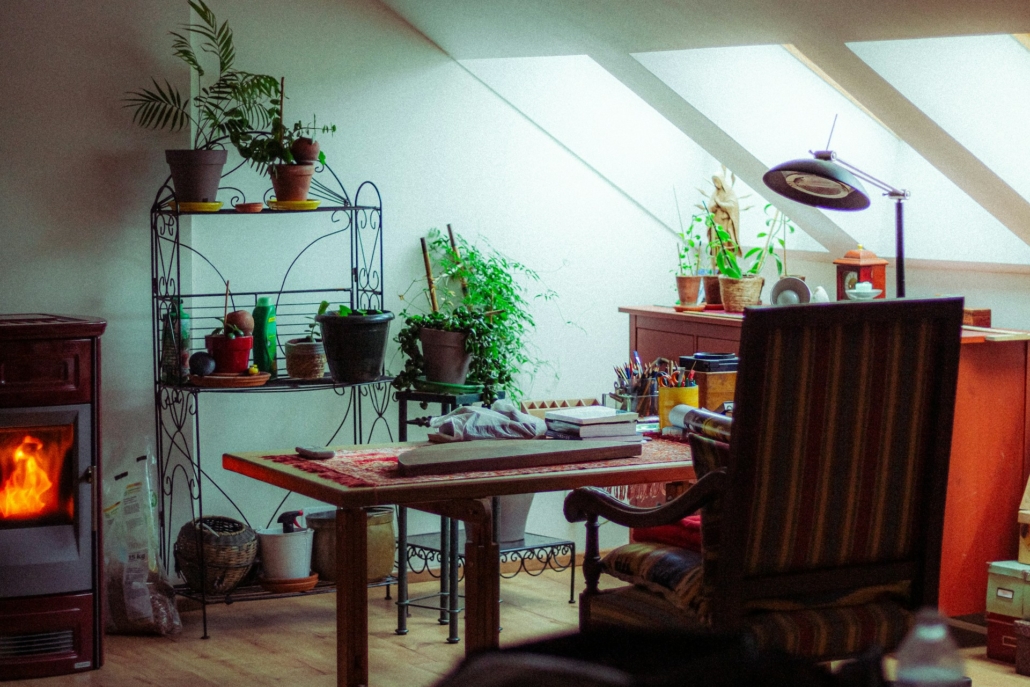
Every artist knows the struggle of balancing limited square footage with unlimited imagination. Studio apartments present unique challenges for creative professionals who need both living space and workspace within the same four walls. The good news? With thoughtful planning and smart design choices, even the smallest spaces can become inspiring sanctuaries for artistic expression.
Whether you’re a painter, writer, musician, or mixed-media artist, your environment directly impacts your creative output. The right setup doesn’t just maximize your physical space—it nurtures your artistic process and helps you maintain that crucial work-life balance.
This comprehensive guide explores practical strategies for transforming your compact living quarters into a functional art studio that supports both your creative ambitions and daily comfort.
From storage solutions that keep supplies organized to lighting techniques that enhance your work quality, we’ll cover everything you need to know about lifestyle design in small spaces. You’ll discover proven methods for creating distinct zones, optimizing natural light, and building cozy spaces that inspire rather than constrain your artistic vision.
Establishing Creative Zones Within Your Space
Defining Functional Areas
The key to successful studio apartment design lies in creating distinct zones that serve different purposes without overwhelming your limited square footage.
Start by mapping out your space and identifying natural divisions—perhaps a corner near the window becomes your primary work area, while the space behind your sofa transforms into storage for finished pieces.
Use furniture placement to create visual boundaries between your creative workspace and living areas. A strategically positioned bookshelf can separate your art studio corner from your sleeping area, while a room divider screen offers flexibility when you need to quickly transition between work and relaxation modes.
Consider the flow of your daily routine when establishing these zones. Your creative area should feel separate enough to maintain focus during work sessions, yet integrated enough to prevent your living space from feeling cramped or segmented.
Multi-Purpose Furniture Solutions
Invest in pieces that serve double duty without compromising functionality. An ottoman with internal storage can house art supplies while providing extra seating for guests. A dining table that doubles as a work surface gives you flexibility to create during meals and clear space for entertaining.
Murphy beds or loft beds free up valuable floor space during the day, allowing your sleeping area to transform into an expanded creative zone. Rolling carts provide mobile storage that can move between different areas as your projects evolve.
Maximizing Natural Light for Optimal Work Conditions
Window Placement and Treatment
Natural light remains the gold standard for most creative work, offering accurate color representation and reducing eye strain during long sessions. Position your primary workspace perpendicular to your largest window to minimize glare while maximizing illumination throughout the day.
Choose window treatments that offer flexibility—sheer curtains provide privacy while maintaining light flow, while adjustable blinds give you precise control over brightness levels. Avoid heavy drapes or dark colors that absorb precious natural light.
Consider the direction your windows face when planning your workspace layout. North-facing windows provide consistent, indirect light ideal for detailed work, while south-facing windows offer bright illumination that may require diffusion during peak hours.
Artificial Lighting Supplements
Layer different types of artificial lighting to compensate for natural light limitations. Task lighting focuses bright, clear illumination directly on your work surface, while ambient lighting maintains overall room brightness without creating harsh shadows.
LED strip lights installed under cabinets or shelves provide even illumination for storage areas, making it easier to locate supplies quickly. Adjustable desk lamps allow you to redirect light as your projects change throughout the day.
Color temperature matters significantly for creative work. Choose bulbs in the 5000K-6500K range for color-critical tasks, while warmer 2700K-3000K lights create cozy spaces for relaxation and ideation.
Smart Storage Solutions for Art Supplies
Vertical Storage Strategies
Maximize wall space with floor-to-ceiling shelving systems that keep supplies organized without consuming valuable floor area. Pegboards offer customizable storage for tools that change frequently, while magnetic strips hold metal implements like scissors and rulers within easy reach.
Install floating shelves at varying heights to accommodate different supply sizes—shallow shelves for paint tubes and brushes, deeper ones for canvases and paper. Use clear containers whenever possible to quickly identify contents without opening multiple boxes.
Hidden Storage Options
Utilize often-overlooked spaces for supply storage. The area under your bed can house flat portfolios and large paper stocks when equipped with rolling storage boxes. Behind-door organizers transform closet doors into a supply central without reducing hanging space.
Consider furniture with built-in storage compartments. Storage benches provide seating while hiding bulky items like easels or large reference books. Coffee tables with internal compartments keep frequently used supplies accessible yet out of sight.
Create a dedicated supply station using a tall, narrow cabinet that fits between existing furniture pieces. This vertical approach maximizes storage capacity while maintaining the clean lines essential in small space design.
Creating Inspiring Visual Elements
Color Psychology in Small Spaces
Light colors reflect natural illumination and make compact areas feel more spacious, but don’t shy away from strategic color accents that energize your creative process. A single accent wall in a warm, inspiring hue can define your workspace without overwhelming the room.
Use color to create visual flow between zones—perhaps your art supplies coordinate with your living area accessories, creating a cohesive design that feels intentional rather than cluttered.
Consider how colors affect your creative mood throughout the day. Cool blues and greens promote focus during detailed work, while warm oranges and yellows can stimulate brainstorming and ideation sessions.
Display and Gallery Walls
Create a rotating gallery space to showcase your work without permanent wall damage. Picture ledges, clipboards, or wire grid systems allow easy artwork changes while adding visual interest to your cozy spaces.
Install a large corkboard or magnetic board that serves both functional and aesthetic purposes—pin up inspiration images, work-in-progress pieces, and important reminders while creating an ever-changing visual focal point.
Flexible Workspace Configurations
Adaptable Work Surfaces
Choose work surfaces that accommodate different project types without requiring separate stations. A large dining table can support painting projects, writing sessions, and computer work when properly protected and organized.
Consider adjustable-height options that transition between sitting and standing positions. This flexibility prevents fatigue during long creative sessions while accommodating different types of work throughout the day.
Folding work surfaces attached to walls provide instant workspace expansion when needed, then fold flat against the wall when not in use. This approach maximizes floor space while ensuring adequate work area for larger projects.
Mobile Organization Systems
Rolling carts serve as mobile supply stations that move between different workspace configurations as projects evolve. Stock separate carts for different mediums—one for painting supplies, another for writing materials, a third for reference books and inspiration.
Use stackable drawer units on wheels to create customizable storage that adapts to changing needs. These units can separate when working on complex projects requiring multiple supply types, then stack together for compact storage.
Maintaining Work-Life Balance in Shared Spaces
Transition Rituals and Boundaries
Develop clear routines that signal the shift between creative work and personal time. This might involve covering your workspace with a decorative cloth, storing supplies in designated containers, or simply changing the lighting to transform the room’s atmosphere.
Create physical boundaries that help maintain mental separation between work and relaxation. Even simple solutions like a folding screen or hanging fabric panel can provide psychological distance between your creative zone and living area.
Organization Systems for Quick Cleanup
Design cleanup routines that take minutes rather than hours. Categorize supplies into frequently used and occasional items, keeping everyday materials in easily accessible locations while storing specialized tools in more distant but organized spaces.
Use timer-based organization sessions—spend 10 minutes each evening returning supplies to designated homes. This prevents creative chaos from overwhelming your living space while maintaining easy access to materials for spontaneous inspiration.
Implement a “one project out, one project away” rule that prevents workspace overwhelm. Complete and clear one creative project before beginning another, ensuring your limited space doesn’t become cluttered with multiple works-in-progress.
Building Your Creative Sanctuary
Designing a studio apartment for creativity is a balancing act between practical function and inspirational atmosphere. The strategies shared here offer a solid foundation for building a space that supports your artistic pursuits without sacrificing daily comfort.
Keep in mind that your creative environment isn’t static; it should evolve as your skills do. Stay flexible with your layout and don’t be afraid to experiment with different configurations until you find the workflow that fits your unique process.
If you’re renting, you might feel limited in how much you can alter your surroundings. However, open communication is key. The best property management companies often appreciate tenants who care for their space and may approve reversible modifications, like installing temporary shelving or painting an accent wall, to help you achieve your vision.
Ultimately, the best creative spaces are both organized and stimulating—places where deep focus comes naturally. Start with a single zone or organizational system, then expand as you learn what works for you. With thoughtful planning, your perfect art studio can exist right within the walls you already call home.

